The Campaign and the Competing Claims
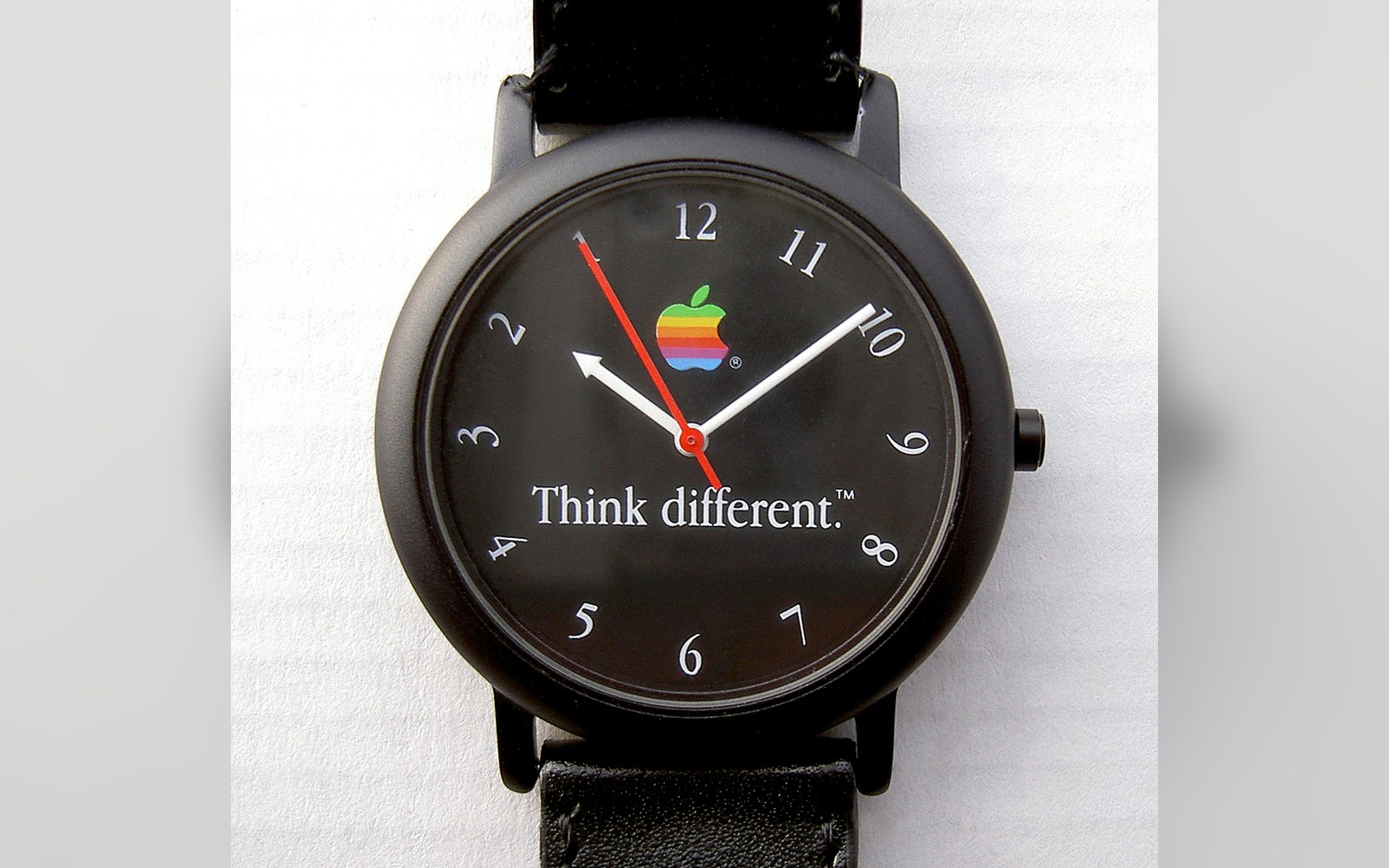
Apple launched "Think Different" in September 1997, weeks after Jobs returned as interim CEO following the company’s acquisition of NeXT. The agency was TBWA\Chiat\Day, the creative lead was Lee Clow, and the television spot ran a sixty-second voiceover against black-and-white photographs of figures including Einstein, Gandhi, Picasso, Amelia Earhart, and Martin Luther King Jr. The copy became one of the most quoted pieces of advertising writing of the decade. The question of who wrote it has never been settled cleanly.
Rob Siltanen, then a creative director at TBWA\Chiat\Day, published a detailed account in Forbes in 2011 claiming primary authorship of the script. He described the brief, the internal review process, and the revisions the copy went through before Jobs saw it. Ken Segall, a copywriter on the account and later the author of Insanely Simple, has consistently disputed Siltanen’s account, arguing that the version Siltanen describes differs materially from the final text and that the writing was a collaborative agency effort in which Segall’s own contribution was central. Clow, as creative director, has not publicly resolved the dispute in detail, though he has credited the work to his team collectively.
What is not disputed: Jobs did not write the copy. What is disputed is the precise distribution of credit within a team that included multiple writers across multiple drafts.
What Jobs Recorded
Jobs was closely involved in shaping the campaign’s tone and its gallery of faces. He was also recorded delivering the voiceover himself — a version that exists and has circulated — but it was never broadcast. Richard Dreyfuss ↗ recorded the version that actually aired, lending the spot a warmth that Jobs, by his own reported assessment, felt he could not provide without the ad seeming self-promotional. The Jobs recording has since been released and the difference in register is audible: his delivery is quieter and more personal, Dreyfuss’s more declaratory.
The copy in its final broadcast form reads, in part: "Here’s to the crazy ones. The misfits. The rebels. The troublemakers. The round pegs in the square holes..." It ends with the line "the people who are crazy enough to think they can change the world, are the ones who do." That closing formulation is among the phrases most frequently cited in authorship disputes, with Siltanen and Segall each pointing to it as evidence of their respective contributions.
- Rob Siltanen — creative director at TBWA\Chiat\Day; published primary authorship claim in Forbes, 2011
- Ken Segall — copywriter on the account; disputes Siltanen’s account; claims central role in final copy and in the tagline itself
- Lee Clow — creative lead; credits the team collectively; has not publicly adjudicated between Siltanen and Segall
- Jobs — shaped tone and image selection; did not write the copy; approved the final version
The Documented Record
What primary sources establish is narrower than partisans on either side tend to acknowledge. No single draft with a single author’s name has been made public in a form that forecloses the competing accounts. Siltanen’s Forbes piece is a first-person account, not a contemporaneous document. Segall’s claims appear across interviews and his own book — also retrospective. Clow has confirmed the campaign’s general genesis but not adjudicated the specific copy credits.
Jobs’s own public statements about the campaign, including remarks at the September 1997 Apple event ↗ at which it was unveiled, concerned the strategy and the selection of icons rather than the writing process. He called it a campaign about Apple’s soul, not a tagline exercise. He did not name a writer.
He described the brief, the internal review process, and the revisions the copy went through before Jobs saw it.
The phrase "Think Different" itself — grammatically an adverb-free construction that echoes IBM’s "Think" slogan while departing from it — is attributed to the agency, with Segall among those who have claimed the tagline specifically. That narrower claim is less contested than the body-copy dispute.
The honest summary: the copy was written inside TBWA\Chiat\Day, almost certainly across multiple hands, with Lee Clow overseeing and Jobs approving. Beyond that, the record is competing memoir, not settled archive.
- Richard Dreyfuss — recorded the broadcast version of the voiceover
- Jobs — recorded his own version; never broadcast; has since been released publicly
- Reported reason for not using Jobs’s recording: concern it would read as self-promotional