The Machine as Argument
When Jobs returned to Apple in 1997, the product line was a maze. Multiple Mac models competed with one another for the same buyers, and the entry-level consumer machine was neither attractive nor particularly cheap. What Apple needed, Jobs decided, was a single computer aimed at someone sitting at a desk at home — a first-time buyer who wanted to get online and stay there. That focus drove the iMac G3 from brief to shelf in under a year.
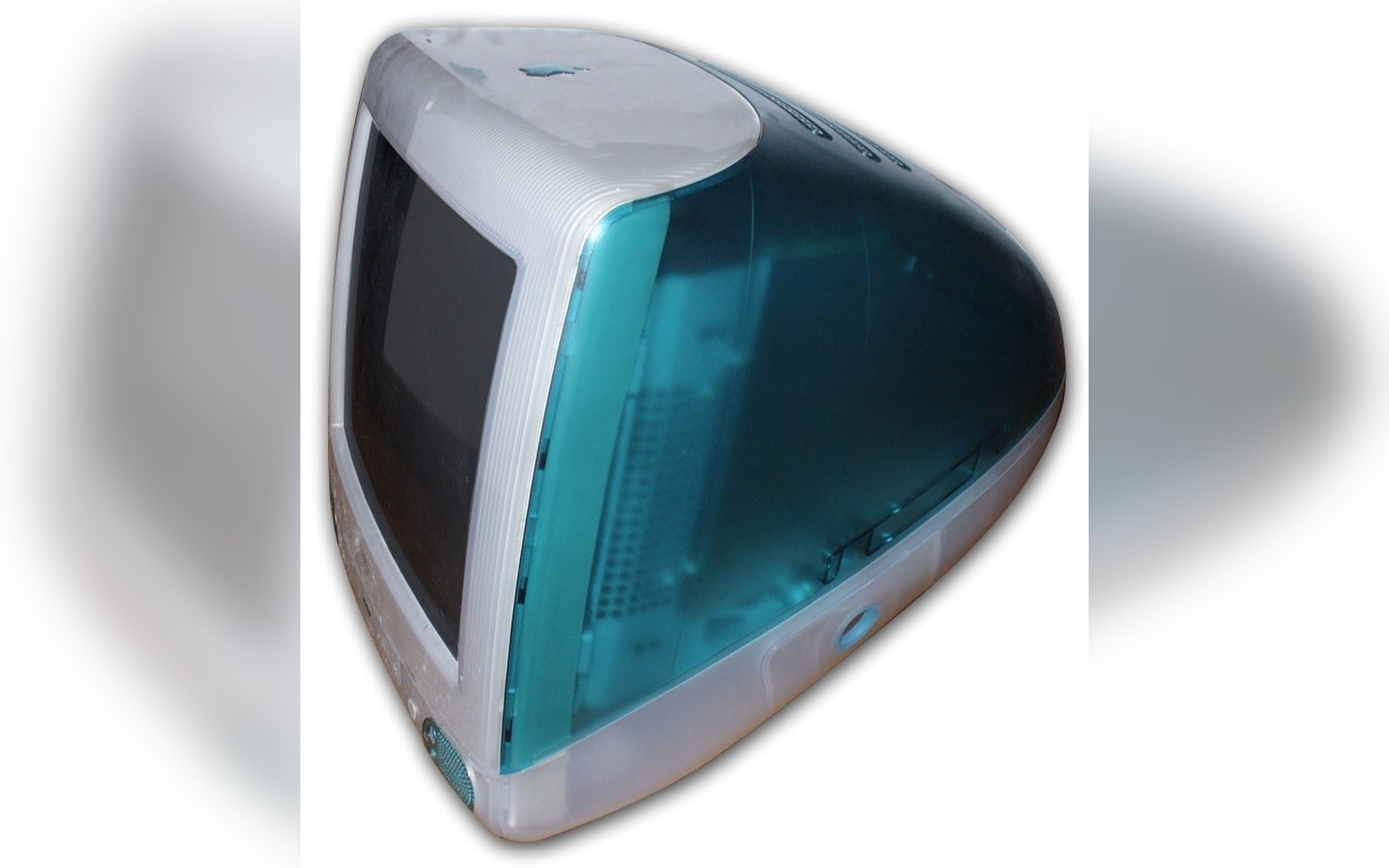
Jony Ive’s design team produced a form that broke with every convention of the beige tower era. The translucent polycarbonate shell — the colour Apple called Bondi Blue ↗, after the Sydney beach — hid nothing and announced everything: here was a machine that considered its own appearance a feature. The handle on top was partly functional and partly rhetorical, signalling that the computer was friendly enough to carry. Ive later described the handle as a way of making the machine approachable for people who had never touched one before, a small cue that invited physical contact.

Jobs was characteristically direct about what the machine was for. In interviews around the time of the iMac's launch — he described the consumer market in terms of the person at the desk, not the technology on it. The machine had to be so easy to set up that someone without technical experience could plug it in and be online within minutes. "There’s no step three," he said at the iMac launch event that August, describing the setup process in a way that made the point about audience more sharply than any positioning document could.
The iMac G3 sold nearly 800,000 units in its first 139 days ↗, a figure Apple cited repeatedly to argue that the consumer Mac market was real and large. More than a third of buyers, Apple reported, were purchasing their first computer. The colour was not incidental to that outcome. Bondi Blue became five colours the following year, then a range of patterns — a sustained argument that a computer’s appearance was a legitimate reason to choose it.
Jony Ive’s design team produced a form that broke with every convention of the beige tower era.
The G3’s significance was less the specific hardware than what it demonstrated about Jobs’s restored authority over product direction. A company that had been selling beige boxes to engineers turned, in a single product cycle, toward the person who simply wanted a desk with something beautiful and useful sitting on it.