The occasion and what it was
Apple’s Worldwide Developers Conference in May 1997 was a strange event to attend. The company had posted a net loss of more than $800 million in the previous fiscal year. Gil Amelio, who had acquired NeXT in December 1996 primarily to acquire Jobs, had not yet been removed — that happened in July — and Jobs was on stage in an unofficial capacity, introduced as an adviser. The Q&A session that followed his opening remarks ran for well over an hour. It was not a keynote. There were no slides. A line of developers waited at floor microphones, and Jobs sat on a stool and answered.
A video of the full session ↗ has circulated online since at least the mid-2000s, and the exchange is long enough, and raw enough, to qualify as a primary source in ways that polished keynotes cannot. Jobs had not yet resumed formal control of Apple. He was not yet in the uniform — the black mock turtleneck and jeans came later. What the recording captures is a man reasoning in public, sometimes impatiently, sometimes elegantly, about a company he had already decided to save.
The OpenDoc exchange and what surrounds it
The single most-quoted moment from the session concerns a developer who challenged Jobs over Apple’s decision to discontinue OpenDoc, a component software framework that had significant support among third-party developers. Jobs’s response began bluntly: he said he had heard the question onstage and in the hallways all week, and he was going to answer it once. Then he delivered the passage that circulates everywhere:
> "You’ve got to start with the customer experience and work backwards to the technology. You can’t start with the technology and try to figure out where you’re going to sell it."
- The OpenDoc answer — real, primary, widely clipped; the concession before it is almost always removed
- "Start with the customer experience" — real, traceable to this session, frequently decontextualized
- "Deciding what not to do" — real but paraphrased in circulation; precise wording varies; check against video
- "Vision" skepticism — real; has since appeared as a motivational image without date or occasion
- "Just works" as design criterion — earliest clear documented use as a threshold test, not a slogan
That sentence is real and traceable to this session. What gets stripped when it circulates as a standalone quotation is everything around it. Before that line, Jobs spent several minutes conceding, explicitly, that he did not know OpenDoc thoroughly, that he might be wrong about the technical details, and that he was making a strategic rather than an engineering judgement. After it, he talked about the difficulty of making people feel the pain of a wrong decision before they’d experienced the better alternative. The apology — or near-apology — at the start is what makes the confidence of the conclusion legible as earned rather than arrogant. The clipped version removes that context entirely.
The OpenDoc question also produced a line that is less often quoted but perhaps more revealing: Jobs said that one of the things Apple had to do was "stop thinking about great boxes and start thinking about a platform." In 1997, that was not a description of what Apple was. It was a programme. The platform Jobs was gesturing toward would not exist in any coherent form until the App Store, eleven years later.
Several other exchanges from the session have since entered circulation without their occasion attached.
The lines that carry no room number
Several other exchanges from the session have since entered circulation without their occasion attached. One concerns focus: Jobs said something close to "deciding what not to do is as important as deciding what to do," though the precise wording varies across transcripts, and listeners should treat paraphrases from secondary sources with caution and check them against the video. Another concerns the word "vision" — Jobs was skeptical of it that afternoon, calling it a word people use when they don’t have a strategy. That observation has since migrated onto motivational graphics with no date and no venue.
The more consequential misuse is the near-total disappearance of the session’s emotional register. Jobs was visibly irritated at several points — not at the developers, whom he repeatedly called the most important people in the room, but at the situation. He described Apple as "incredibly confused" in its product line. He said the company had been trying to do too much and had succeeded at almost nothing. These were not rhetorical moves designed to lower expectations before a triumphant reveal. They were diagnostic. The critical posture that made Jobs effective as a manager — the willingness to say a thing was bad before he knew what he would replace it with — is largely absent from the quotations that survive the session in popular form.
What the full transcript changes
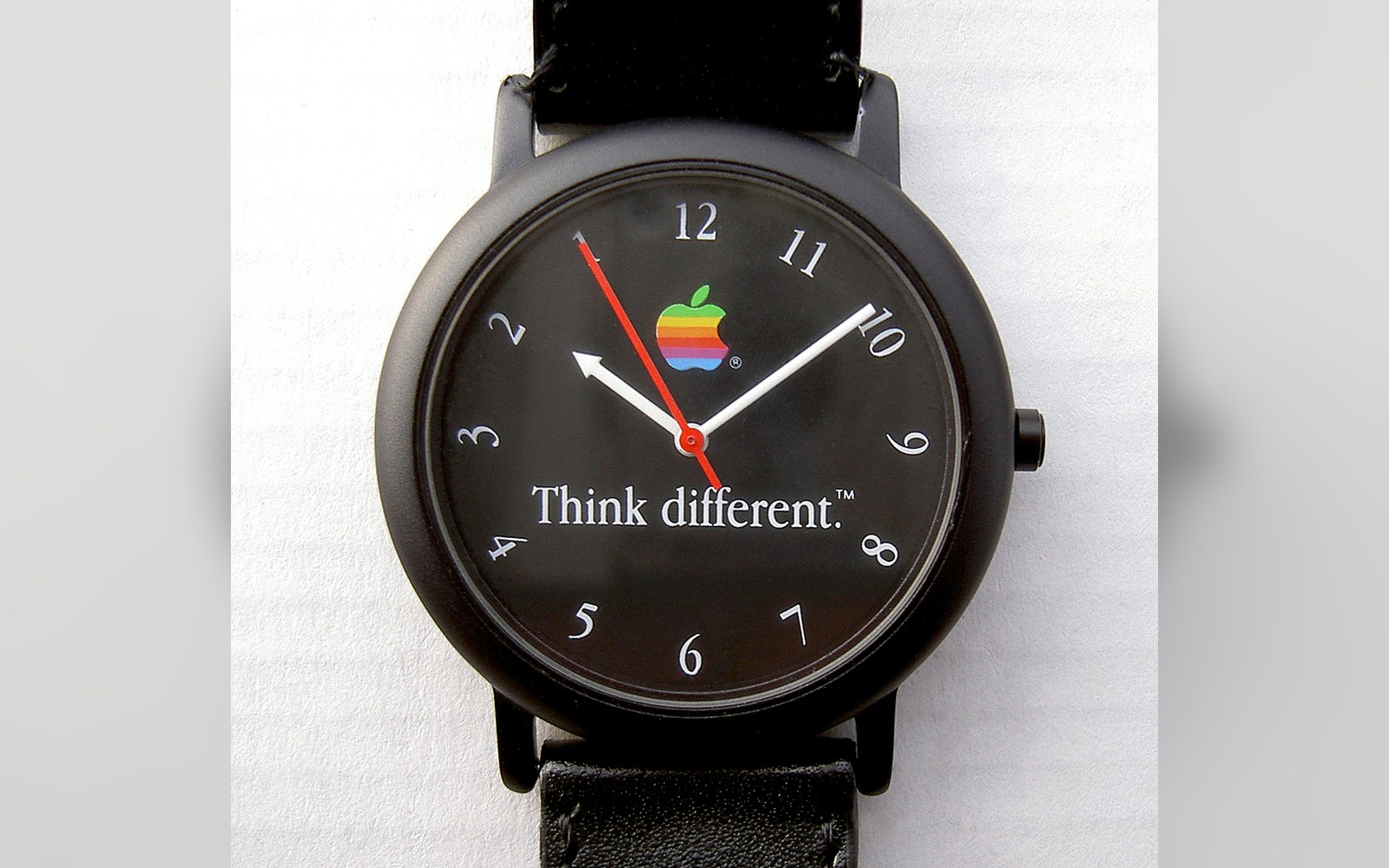
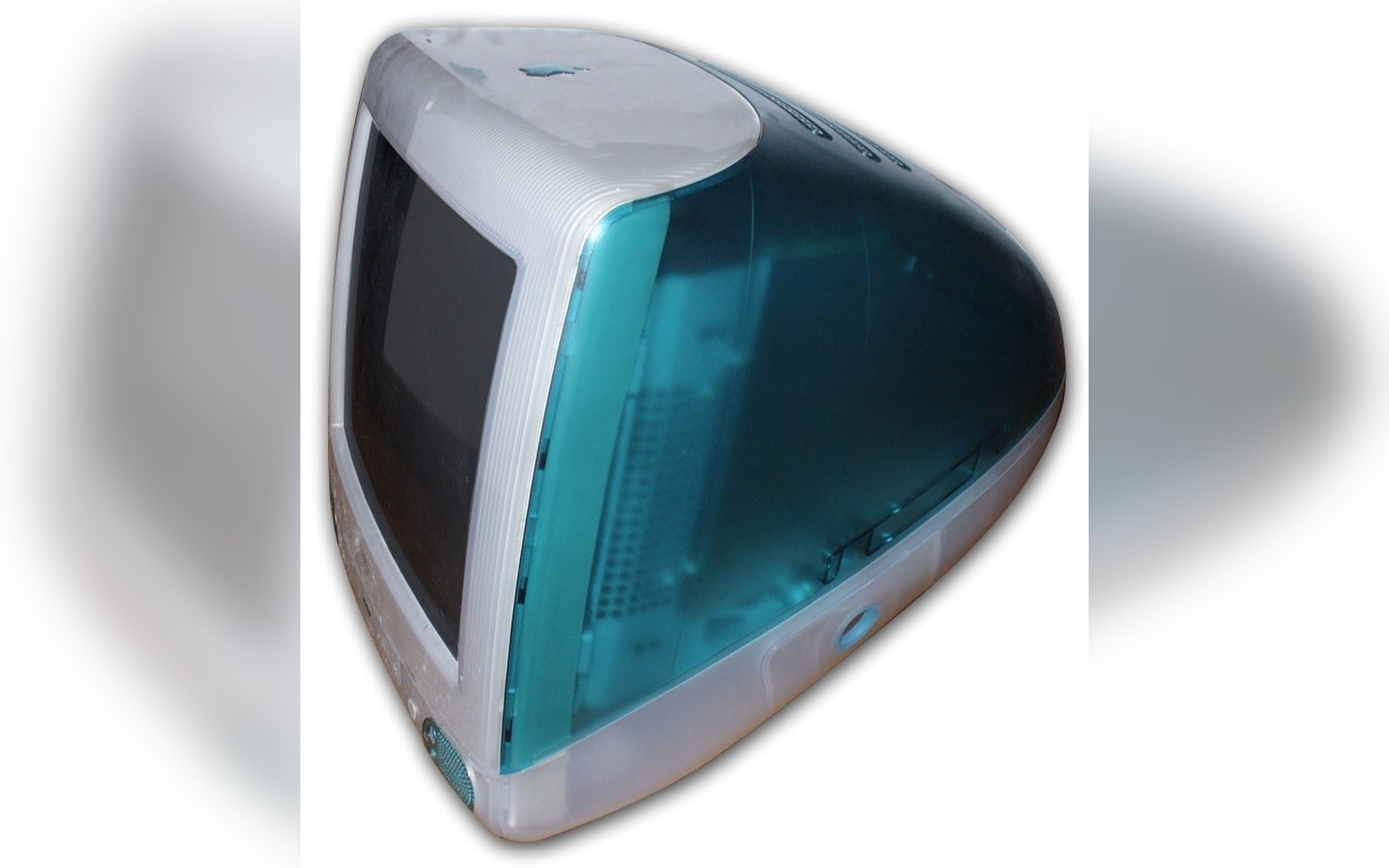
Reading or watching the full session rather than the clipped versions changes the proportions considerably. Jobs was not delivering aphorisms. He was conducting triage. He returned repeatedly to a small number of concrete concerns: the product line was too broad, the developer relationship was broken, and the company had no coherent story about what it was building or for whom. Each of those concerns maps directly onto decisions Apple made in the eighteen months that followed — the product-line rationalization, the Think Different campaign that reestablished Apple’s public identity, and the iMac.
The Q&A also contains the clearest documented instance of Jobs using the phrase "just works" as a design standard — not as a marketing slogan, but as a threshold test: would a developer or a customer be able to use this thing without the company having to explain it? The phrase would later appear in product introductions, but its first fully articulated use as a criterion, rather than a description, appears to be this session.
- Event: Apple Worldwide Developers Conference, May 1997
- Format: open Q&A, unscripted, Jobs seated on stool
- Jobs’s formal role at the time: adviser, not CEO
- Amelio removed as CEO: July 1997
- Jobs named interim CEO: September 1997
One exchange toward the end of the recording is almost never quoted. A developer asked Jobs whether he planned to come back full-time. Jobs said no. He said he had a family and a company — meaning Pixar — and that he was there as a friend of Apple, not as its leader. Within two months, Amelio was gone. Within five months, Jobs was interim CEO. The answer he gave that afternoon was either honest in the moment and quickly overtaken by events, or already incorrect when he gave it. The Isaacson biography does not resolve this; it records the public sequence without access to the private deliberation.
A primary source with texture
The 1997 WWDC Q&A is worth treating as a document in its own right rather than a quarry for quotable lines. It is one of the few occasions on which Jobs spoke extempore for a sustained period, without prepared remarks, to a hostile-adjacent audience that knew more than he did about some of the subjects under discussion. The polish of a rehearsed keynote is entirely absent. What replaces it is a quality harder to find in the archive: a mind working through a hard problem in real time, making concessions, making claims, and leaving enough on the record for a careful reader — or a less careful one — to use as evidence for almost anything.
The careful reader notices the concessions first.