From Clow’s Sketch to Shepperton Studios
The brief was conceptually simple and logistically enormous. TBWA\Chiat\Day, the agency handling Apple’s advertising, had been commissioned to introduce the Macintosh in a way that justified buying airtime during Super Bowl XVIII — then the most expensive television slot a company could purchase. Lee Clow, the agency’s creative director, anchored the concept in George Orwell’s Nineteen Eighty-Four: the year 1984 would arrive, Apple would argue, and the totalitarian conformity it symbolised would not. A lone woman would shatter the screen.
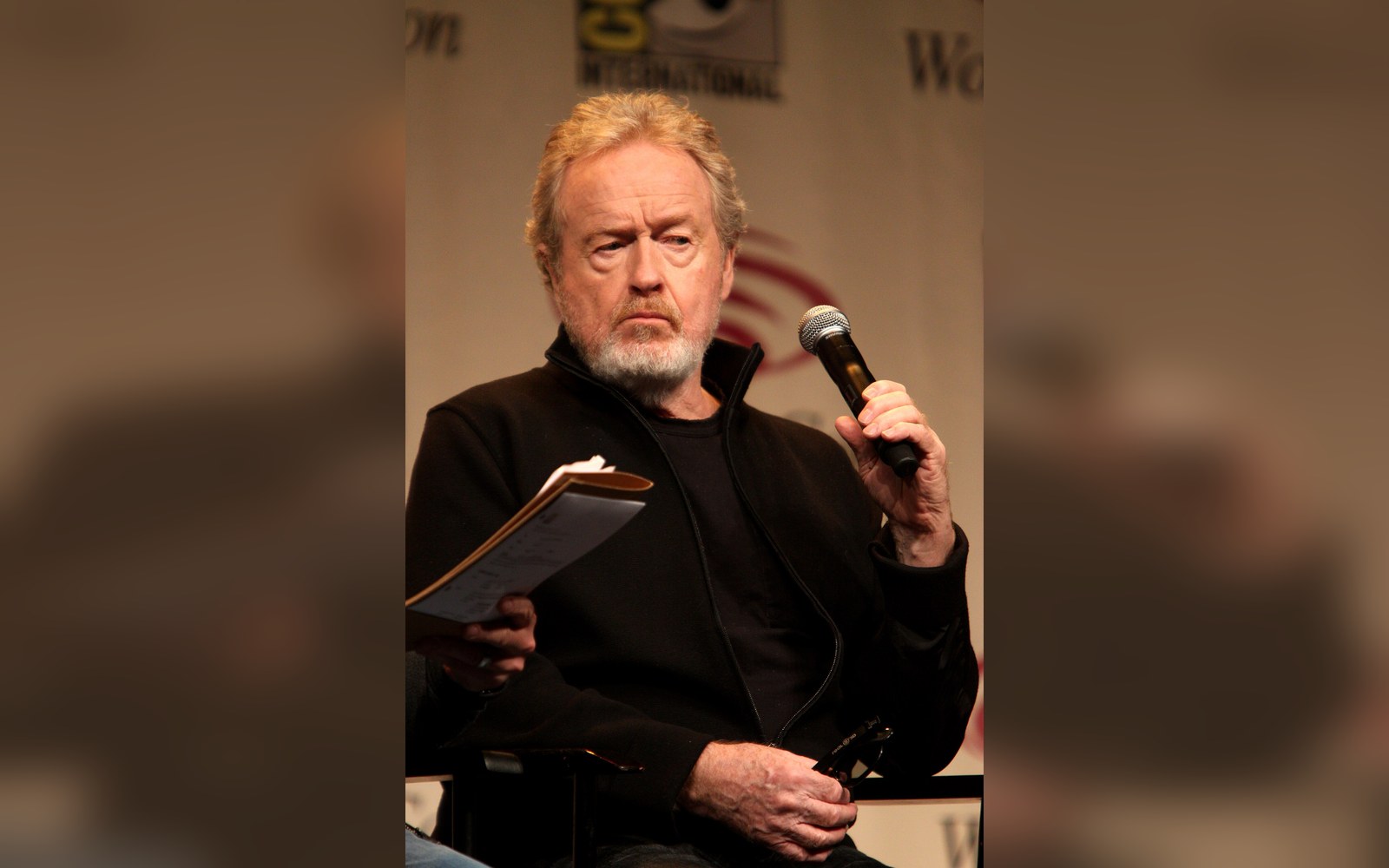
Ridley Scott was hired to direct. He had just finished Blade Runner in 1982 and was, by early 1983, among the most visually authoritative directors working in any medium. The production shot over two days at Shepperton Studios in England — not, as sometimes written, at Wembley Stadium, though English extras were recruited and the scale was feature-film. The athletic woman hurling a sledgehammer was Anya Major, a discus champion. The drone of grey figures facing a monolithic telescreen and the single runner in vivid colour cost Apple roughly \$900,000 to produce, before airtime.
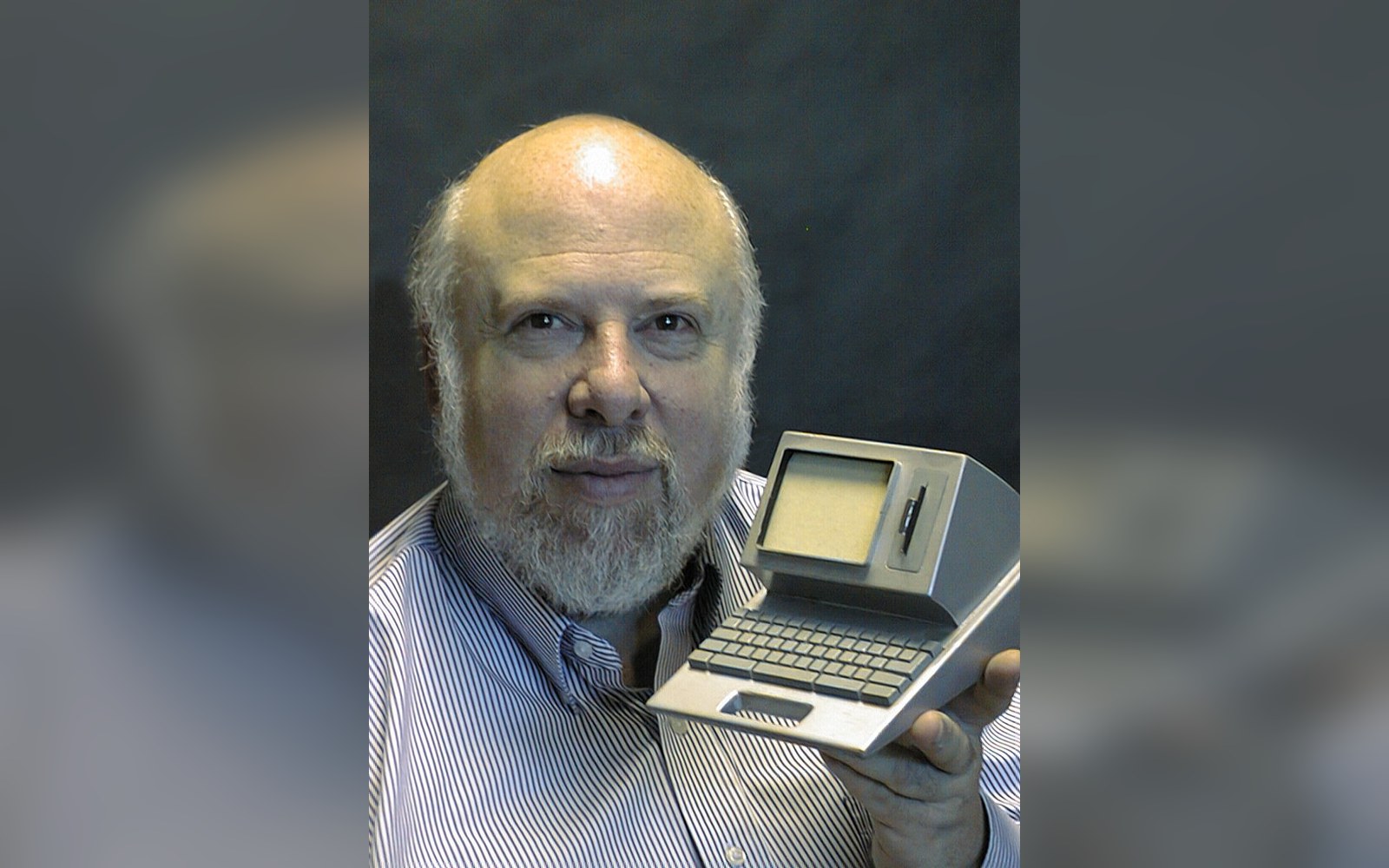
The sixty-second spot aired on January 22, 1984 ↗, during the third quarter of Super Bowl XVIII at Tampa Stadium. It ran nationally exactly once.
The Board Vote, and What Happened Next
Before it aired, Apple’s board of directors screened the finished cut and, according to multiple contemporaneous accounts, voted to instruct Chiat\Day to sell back the Super Bowl slots. John Sculley, who had joined Apple as CEO the previous year, has described the boardroom reaction as ranging from baffled to hostile. Jobs, by contrast, wanted the spot to run.
The agency did not sell the time back — or not entirely. A sixty-second slot and a shorter buy remained. The commercial aired. Within days it had generated news coverage across television and print that amplified its reach far beyond a single broadcast; the term earned media did not yet exist in its current sense, but the phenomenon it describes was operating at full force. The commercial was, by any commercial measure, a success.
The dystopian imagery read as cinematic rather than corporate because a director with a specific visual signature had made it.
In the Playboy interview published in February 1985 ↗, conducted by David Sheff and based on sessions that took place in late 1984, Jobs spoke about the ad directly. He called it "the best thing we’ve ever done," an assessment he connected not just to the commercial’s craft but to what he believed it said about Apple’s position in the industry. The interview — a substantial document that covered computing philosophy, the Macintosh’s origins, and Jobs’s views on IBM — is one of the few places where Jobs’s enthusiasm for the spot is recorded in his own words, in a named primary source, within months of broadcast. The line is not a misattribution or a retrospective gloss; it is on the record.
What Scott contributed, beyond execution, was the texture of plausibility. The dystopian imagery read as cinematic rather than corporate because a director with a specific visual signature had made it. Apple had trusted a filmmaker to make a film, and the result sat uneasily with the norms of product advertising in a way that became, itself, the point. The Macintosh was introduced to a mass audience two days later at the Flint Center at De Anza College, where Jobs pulled it from a bag, let it speak, and watched an auditorium respond.
The board had voted to pull it. It ran once. Forty years later it remains the most analysed minute in the history of technology advertising, which is its own form of verdict.