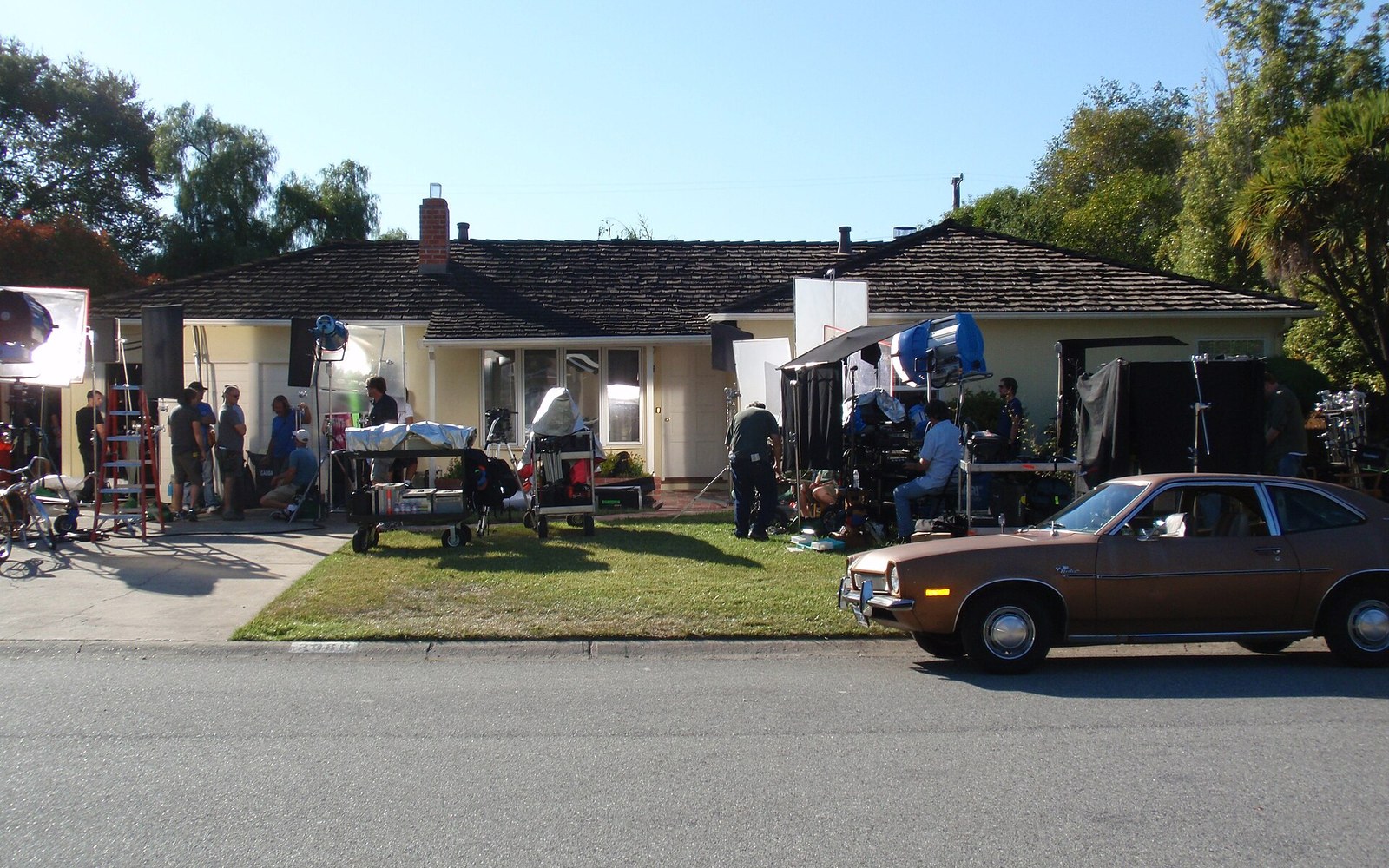
What the Record Shows
The house at 2066 Crist Drive in Los Altos, California belonged to Paul and Clara Jobs. Steve Jobs lived there during the summer of 1976, and the garage attached to it was real, usable, and available. None of that is in dispute. What the historical record complicates is the idea that the garage was where Apple Computer was built.
Steve Wozniak has been the most direct witness against the legend. In multiple interviews, including a 2014 account he gave to Bloomberg Businessweek, Wozniak stated plainly that most of the actual engineering on the Apple I was done in his Cupertino apartment and at Hewlett-Packard, where he was still employed. The garage, he said, was used for some packing and preparation of boards — the administrative rather than inventive work of the early operation. "The garage didn’t play that role," Wozniak told the interviewer ↗. The mythologized image of two engineers bent over a workbench discovering the personal computer is, by the account of the engineer who did the designing, not what the garage was for.
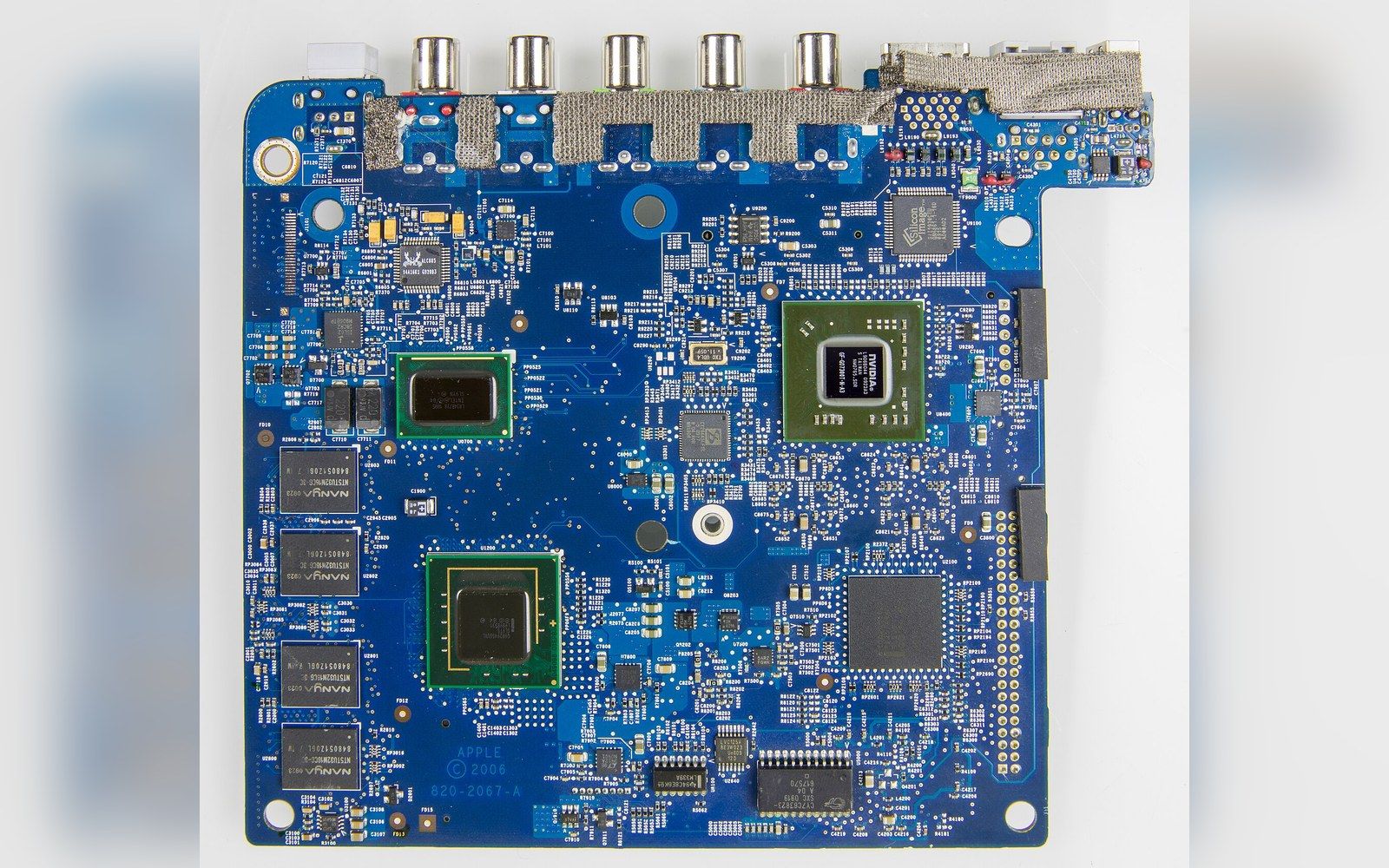
Jobs’s own statements on the garage were less direct but revealing in their imprecision. He spoke frequently of the garage as a symbolic origin point, and the symbolism was not wrong — it was simply doing different work than documentation. The garage represented a particular American narrative of the self-made startup, the scrappy operation launched without institutional backing, and Jobs understood the value of that narrative as well as he understood circuit boards. Mike Markkula, who joined Apple in 1977 and whose one-page marketing philosophy memo articulated the idea that a company must impute quality through every signal it sends, would have recognized exactly what Jobs was doing with the Crist Drive story.
What the Garage Actually Was
The practical record suggests the garage served as an assembly point after the Byte Shop order arrived. Paul Terrell, who owned the Byte Shop in Mountain View, placed an order for fifty fully assembled Apple I boards in the spring of 1976 — a demand that required coordination, space, and hands. Friends and family members helped assemble the order at Crist Drive. That is documented and not trivial: it is a real moment in Apple’s early life. But assembly of a product whose design is already complete is a different activity from invention, and conflating the two is where the mythology does its most significant distorting work.
The property was put forward for landmark status decades later, and in 2013 the house was formally listed as a historic landmark by the City of Los Altos. The designation is appropriate — the location did witness something genuine. The city’s action also illustrates how thoroughly the narrative had embedded itself in civic memory by that point, such that the landmark status arrived on the mythology’s terms rather than on the historical record’s.
- 2066 Crist Drive, Los Altos — real location, real garage, Jobs family home in 1976
- Wozniak’s apartment and HP offices — where the Apple I design work actually took place
- Byte Shop order (spring 1976) — fifty assembled boards; what the garage was genuinely used for
- Paul Terrell — Byte Shop owner; the person whose order made the garage relevant at all
- Homebrew Computer Club, Menlo Park — where Wozniak first demonstrated the Apple I board
Wozniak’s design work, done in the period before and during the Apple I’s creation, drew on his years of study and on the technical culture of the Homebrew Computer Club, where he first showed the board. The club met in Menlo Park. The engineering thinking happened wherever Wozniak happened to be sitting with a pencil. The garage on Crist Drive was not that place.
None of this diminishes what Jobs and Wozniak accomplished. The Apple I led to the Apple II, which became the machine that actually built the company. Jobs’s ability to see the Byte Shop order as a turning point, to recruit Markkula, and to frame the entire enterprise in terms a wider public could grasp — that is real, consequential, and documented. The garage story is one of his framings, not a fabrication exactly, but a compression of messy and distributed early history into a single vivid image. That is what origin myths do. The Crist Drive garage earns its landmark plaque. It does not quite earn the legend written on it.
The practical record suggests the garage served as an assembly point after the Byte Shop order arrived.

- 1975Wozniak designs Apple I; shows it at Homebrew Computer Club
- 1976, springByte Shop order; assembly at Crist Drive garage
- 1977Apple Computer incorporated; Markkula joins; operation moves beyond the garage
- 2013City of Los Altos designates 2066 Crist Drive a historic landmark